Blinkit, Zepto, Swiggy Instamart and Amazon Now: Is Quick Commerce Becoming a Media Channel?
BrandThink
Growth Field Notes
Introduction
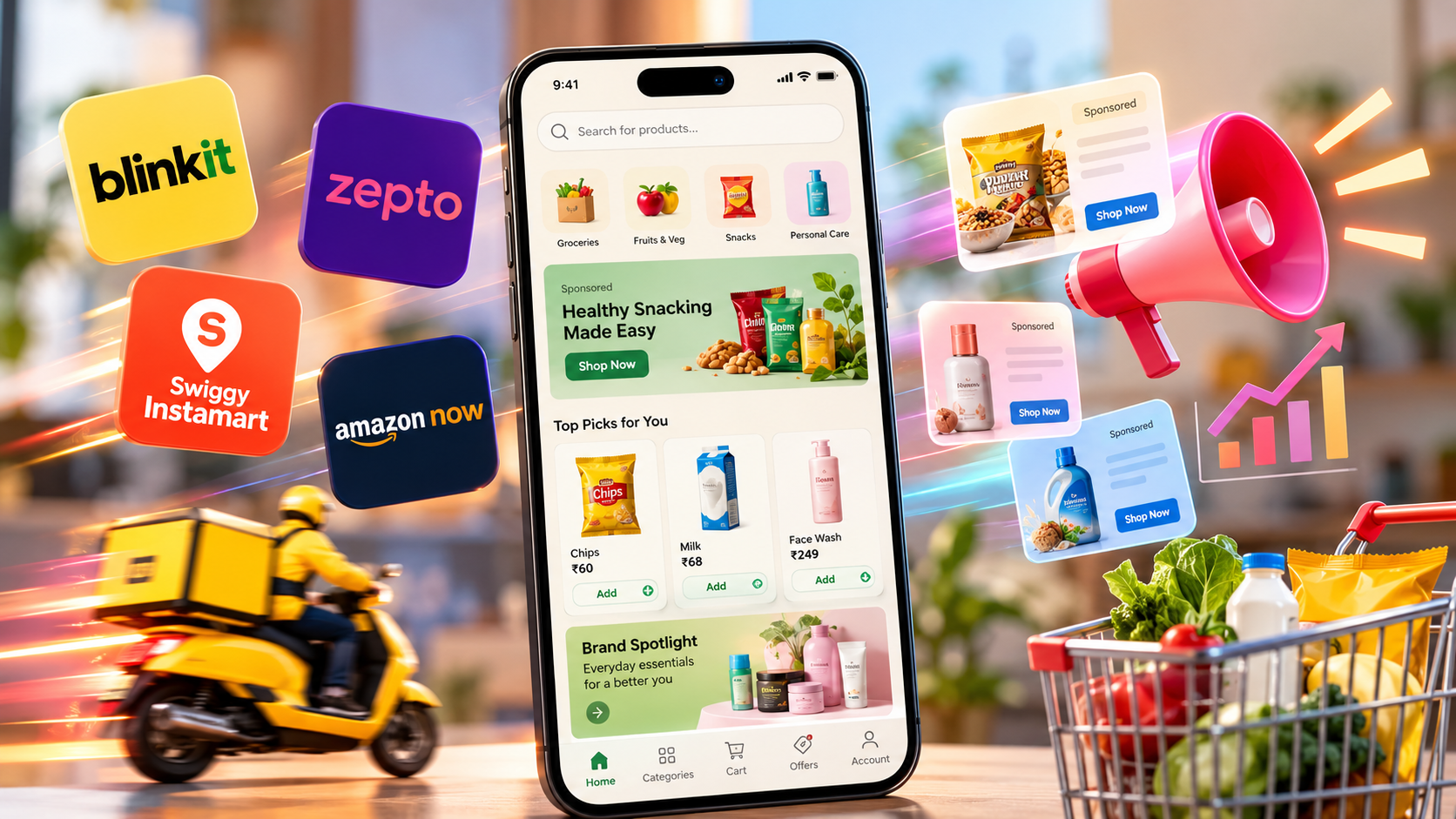
Quick commerce started with a simple promise. Order what you need, and get it delivered in minutes. Now, apps like Blinkit, Zepto and Swiggy Instamart are doing much more than delivering groceries. They are changing how people discover products, compare brands and make buying decisions. Amazon is also showing growing interest in India's quick commerce market.
This shift is creating a new opportunity for advertisers. Quick commerce advertising India is becoming an important topic for brands that want to reach customers closer to the moment they make a purchase. Instead of relying only on Google searches, social media ads or traditional retail promotions, brands can now reach shoppers inside the apps where they are already buying products.
But what makes this change so important? And could your next product discovery happen inside a 10-minute delivery app rather than a search engine?
Let's look at how this new advertising channel works and what brands should do about it.
1. What Is Quick Commerce Advertising?
Quick commerce advertising means promoting products within or around apps that offer rapid delivery of groceries, personal care items, snacks, household products and other everyday essentials.
Think about how you shop on Blinkit. You open the app to buy milk, search for a product, browse a category or check an offer. During that process, you may see a sponsored product, a promoted brand or a special placement.
That is q-commerce advertising in action.
Brands can use these placements to reach customers who are already close to making a purchase.
Common formats include:
- →Sponsored product listings in search results
- →Featured placements within product categories
- →Brand banners and promotional tiles
- →Discounts and sponsored offers
- →Campaigns linked to seasonal demand or local shopping patterns
For example, a snack brand might promote its products when customers search for chips or browse evening snacks. A skincare brand could feature a face wash when shoppers explore personal care products.
The difference is simple. These ads appear in a shopping environment where customers can often move from discovery to purchase within minutes.
2. How Blinkit, Zepto, Swiggy Instamart and Amazon Fit In
Each platform offers brands a way to connect with customers during the shopping journey. The exact advertising formats, targeting options and reporting features depend on the platform and its current advertising products.
Blinkit
Blinkit connects shoppers with products across groceries, snacks, beverages, personal care and household essentials.
For advertisers, its value lies in reaching people who are already browsing products or looking for something specific. A brand can compete for visibility at the point where shoppers are choosing between alternatives.
Zepto
Zepto combines rapid delivery with a digital shopping experience built around everyday needs.
Brands can explore sponsored visibility, promotional placements and product discovery opportunities where supported by the platform. The aim is to help customers notice a product while they are already in a buying mindset.
Swiggy Instamart
Swiggy Instamart brings grocery and everyday shopping into the wider Swiggy ecosystem.
This gives brands another place to connect with customers who are shopping for immediate needs. Promotions can be especially relevant for products that people buy frequently, such as beverages, packaged foods and personal care essentials.
Amazon and Amazon Now
Amazon has a major role in online shopping in India, and its interest in rapid delivery reflects the growing strategic importance of convenience-led shopping.
Amazon's quick commerce efforts, including Amazon Now, make the connection between rapid fulfilment and product discovery worth watching. The precise availability and advertising opportunities can vary by location and over time.
For brands, the broader lesson is clear. Quick commerce is becoming more than a delivery option. It is also a place where product visibility can influence what customers buy.
3. Why Quick Commerce Is Becoming a Media Channel
A delivery app may seem like an unusual place to advertise. Yet it has one important advantage. People open these apps with a shopping need in mind.
That creates several opportunities.
Customers are already in buying mode
Someone scrolling through entertainment content may not be planning to buy a product. A person searching for coffee, shampoo or biscuits on a quick commerce app has a much clearer purchase intent.
As a result, relevant ads can reach shoppers at a useful moment.
Product discovery happens inside the app
Customers do not always search for a specific brand. They may type a generic term, browse a category or choose whatever looks suitable.
A sponsored listing can help a lesser-known brand appear alongside familiar competitors. At the same time, customers can discover alternatives they might not have considered before.
Brands can connect visibility with sales
Traditional advertising often focuses on impressions, clicks or website visits. Quick commerce campaigns can offer additional shopping-related measures, depending on the platform's reporting capabilities.
These may include product clicks, add-to-cart activity, orders and sales attributed to advertising.
This is why quick commerce marketing is attracting attention from brands that want to understand whether their advertising is helping generate purchases, not just views.
4. Quick Commerce Advertising India and the Rise of Commerce Media
Commerce media refers to advertising that uses a retailer's shopping environment, product catalogue, audience signals or transaction-related insights to help brands reach shoppers.
Retail media is one familiar example. Quick commerce extends this idea into rapid delivery apps.
The opportunity is not limited to placing a banner on a screen. It includes influencing product discovery, competing for search visibility and connecting advertising activity with shopping outcomes.
Consider a new packaged juice brand entering a crowded market.
It could spend money on social media to build awareness. It could also promote relevant products when customers search for juice or browse beverages on a quick commerce app.
The first approach may introduce the brand to a broad audience. The second can help reach shoppers who are already considering a purchase.
Both approaches have a role. The right choice depends on the campaign goal, available budget and target audience.
For brands, the next step is to treat quick commerce as part of a wider media plan rather than an isolated sales channel.
5. Will the Next Product Search Happen Inside a 10-Minute Delivery App?
This is one of the most interesting questions for the future of product discovery.
People have traditionally used search engines, marketplaces, social media and brand websites to find products. Quick commerce apps could capture a larger share of those searches, especially for everyday items.
Imagine you need toothpaste. You might open a search engine to compare options, visit an online marketplace or simply search for toothpaste in a delivery app.
If the app shows relevant products, prices, ratings and delivery estimates, you may complete the purchase without leaving it.
That creates a new challenge for brands.
They must think about how their products appear within quick commerce search results, not just how they rank on Google.
Here are three areas worth watching:
- →In-app search visibility: Can customers find your product when they search for a category or need?
- →Product page quality: Are your images, product names, pack sizes and descriptions clear?
- →Sponsored discovery: Can paid placements help your product reach relevant shoppers without making acquisition costs too high?
This does not mean Google Search will lose its role. Instead, product discovery may become more spread out across different platforms, each serving a different customer need.
For SEO teams, that means understanding how people search, compare and purchase products across multiple digital environments.
6. How Brands Can Build a Quick Commerce Marketing Strategy
A successful campaign needs more than a sponsored listing. Brands should begin with a clear goal and a way to measure results.
Step 1: Choose the right products
Start with products that have clear demand, competitive pricing and enough stock to support the campaign.
Every product may not be suitable for paid promotion. Focus on products with a strong reason to buy, such as repeat purchases, useful pack sizes or a clear price advantage.
Step 2: Improve product listings
Before spending on advertising, review your product information.
Check that each listing has:
- →A clear and accurate product name
- →High-quality product images
- →Correct pack size and pricing
- →A readable description
- →Accurate availability information
These details help customers understand what they are buying. They also reduce the chance of attracting clicks that do not turn into orders.
Step 3: Test relevant ad placements
Begin with a small campaign and test the available formats.
For example, a beverage brand could compare sponsored search placements with category promotions. It could then review which format generates more product engagement and attributed sales.
Avoid assuming that the most visible placement will always deliver the best results.
Step 4: Measure the right numbers
Track performance using the metrics available from the platform.
Useful measures may include:
| Metric | What it tells you |
|---|---|
| Impressions | How often shoppers saw the ad |
| Click-through rate | How often shoppers clicked after seeing it |
| Conversion rate | How often visits led to purchases |
| Advertising cost of sales | Advertising spend as a share of attributed sales |
| Return on ad spend | Attributed revenue generated per unit of ad spend |
| Repeat purchases | Whether customers return to buy again, where this data is available |
Look at these figures together. A campaign may generate many clicks but few orders. Another may generate fewer clicks yet produce better sales results.
Also, check how the platform defines attributed sales and its measurement window before comparing results across channels.
Step 5: Connect quick commerce with your wider marketing plan
Quick commerce should work alongside other channels.
Use search engine optimisation to help people discover your brand through relevant searches. Use social media to build awareness and communicate product benefits. Then use marketplace and quick commerce advertising to reach shoppers who are ready to buy.
This approach gives each channel a clear role while helping your team understand the full customer journey.
7. What Brands Should Watch Next
Quick commerce advertising is still developing, and its future will depend on customer behaviour, platform economics and the quality of advertising measurement.
Three developments deserve attention.
First, platforms may offer more ways for brands to reach shoppers through sponsored listings, category placements and promotional campaigns.
Second, advertisers may place greater emphasis on local demand. A product that sells well in one city or neighbourhood may perform differently elsewhere because of availability, pricing and customer preferences.
Third, brands will need stronger measurement practices. Attributed sales do not automatically prove that an ad created an entirely new purchase. Some customers might have bought the product anyway.
For that reason, advertisers should review campaign results carefully and use controlled tests where possible to understand whether paid visibility is generating incremental sales.
The brands that learn from these tests will be better placed to decide where quick commerce fits into their media budgets.
Frequently Asked Questions
What is quick commerce advertising in India?
Quick commerce advertising in India involves promoting products through rapid-delivery shopping apps such as Blinkit, Zepto and Swiggy Instamart. It can include sponsored product listings, promotional placements and other advertising formats offered by each platform.
How is quick commerce advertising different from traditional digital advertising?
Traditional digital ads can reach people across websites, apps and social platforms. Quick commerce ads appear within a shopping environment where customers may already be searching for products and preparing to buy.
What is the difference between quick commerce marketing and commerce media?
Quick commerce marketing covers activities used to promote products through rapid-delivery platforms. Commerce media is a broader concept that includes advertising across retailer and commerce platforms using shopping-related environments and data.
Can small brands advertise on Blinkit or Zepto?
Opportunities depend on each platform's eligibility requirements, commercial terms, location coverage and available advertising options. Smaller brands should check current onboarding requirements and assess whether their margins can support paid promotion.
Will quick commerce replace Google for product searches?
Not entirely. Google remains useful for research, comparisons and broader information searches. Quick commerce apps may become more important for immediate shopping needs, particularly when customers value speed and convenience.
Make Quick Commerce Part of Your Media Plan
Quick commerce is changing the relationship between product discovery, advertising and purchase. Blinkit, Zepto and Swiggy Instamart already give brands new ways to reach shoppers inside shopping apps, while Amazon's growing interest in rapid delivery adds another reason to watch this space.
The opportunity is not simply to buy more ads. It is to understand where your customers discover products, which placements influence their decisions and whether those campaigns deliver profitable growth.
If your brand is exploring quick commerce, start with a focused campaign, measure the results and build on what you learn.
Planning your next campaign? Explore commerce media planning to identify the right platforms, advertising formats, budget and performance measures for your brand.
Related Insights
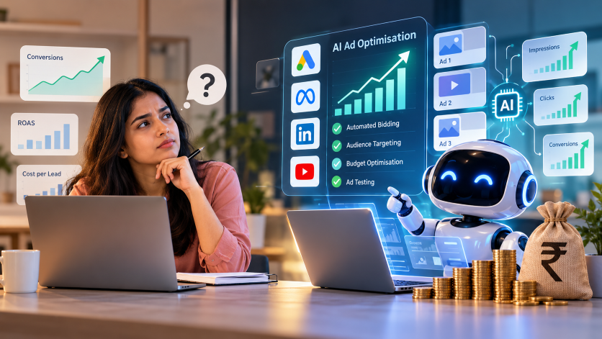
Are AI Ad Platforms Making Marketers Better at Performance - or Just Better at Spending?
Are AI ad platforms making marketers better or just spending faster? Explore AI performance marketing, automated bidding, AI optimisation, and smarter paid media.
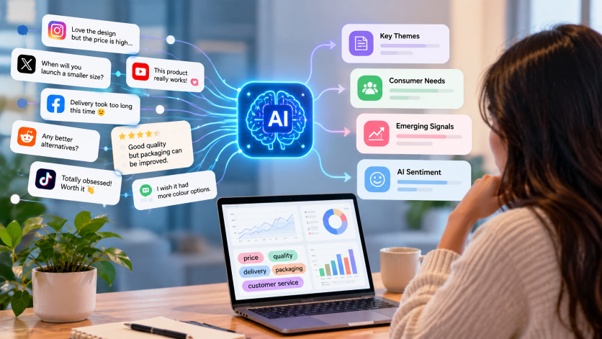
Social Listening Is Becoming AI Consumer Intelligence - Here’s What Changes!
Discover how AI social listening turns millions of conversations into consumer intelligence, themes, needs and early signals for smarter marketing and product decisions.
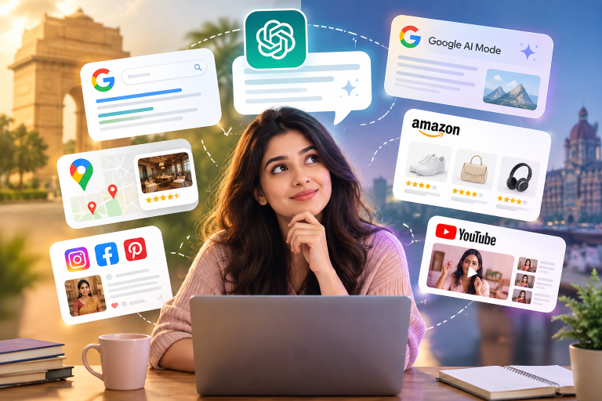
SEO Is No Longer the Whole Search Journey: Where Do Indians Ask AI Instead?
AI search in India is now becoming part of how people discover information, compare choices and decide what to do next across search engines, AI assistants, maps and marketplaces.
Ready To Make Your Stack Work Together?
Bring us the complexity. We'll help turn disconnected platforms, data and workflows into a MarTech system built around your business.